

Branding is the process of creating a unique identity for a business, product, or service. It includes elements such as a logo, brand colors, messaging, values, and overall customer experience. Effective branding helps businesses build trust, increase recognition, and create a strong connection with their target audience.
"Branding transforms your business into a memorable and trusted brand".

Advertising
Advertising is a powerful marketing communication strategy used to promote products, services, brands, or ideas to a targeted audience. It helps businesses create awareness, attract potential customers, increase sales, and build a strong brand presence in the market. Through creative messages, compelling visuals, and strategic placement, advertising communicates the value of a product or service and influences consumer behavior.
Modern advertising utilizes multiple platforms such as television, radio, newspapers, magazines, billboards, websites, search engines, social media platforms, mobile applications, and video streaming services. Businesses can choose from various advertising formats including display ads, video ads, social media ads, search engine ads, influencer promotions, and outdoor advertising based on their marketing goals and target audience.

Branding Value
Branding value refers to the overall worth and perception of a brand in the minds of customers. It is built through consistent messaging, quality products or services, customer experiences, and a strong visual identity. A valuable brand creates trust, recognition, and loyalty, helping businesses stand out from competitors and attract long-term customers.
Strong branding goes beyond a logo or tagline—it represents the company's reputation, mission, and promise to its audience. When customers connect emotionally with a brand, they are more likely to choose it repeatedly, recommend it to others, and remain loyal even in competitive markets.

Strategy
A strategy is a well-planned approach designed to achieve specific business goals and objectives. It serves as a roadmap that guides organizations in making decisions, allocating resources, and implementing actions to gain a competitive advantage and achieve sustainable growth. A successful strategy aligns a company's vision, mission, and objectives with market opportunities and customer needs.
In business and marketing, strategy involves analyzing the target audience, understanding competitors, identifying strengths and weaknesses, and creating effective plans to reach desired outcomes. It helps businesses focus their efforts, optimize resources, and measure performance through clear goals and key performance indicators (KPIs).
Trust
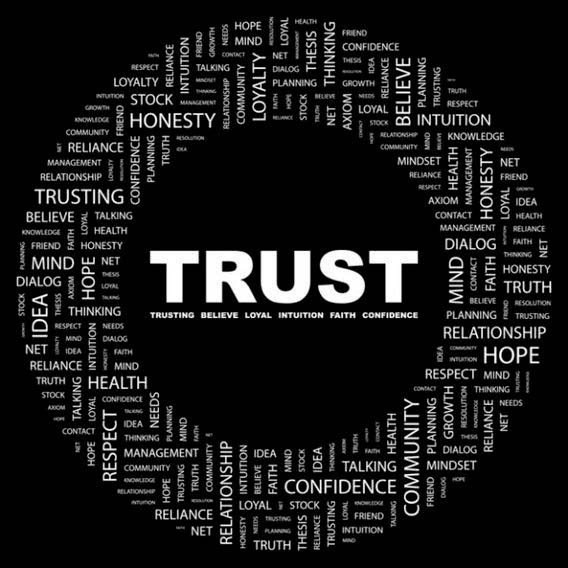
Trust is the foundation of every successful relationship, whether between businesses and customers, brands and audiences, or organizations and stakeholders. It is built through honesty, consistency, transparency, and the ability to deliver on promises. When people trust a brand, they feel confident in its products, services, and values, making them more likely to engage, purchase, and remain loyal over time.
In business, trust plays a crucial role in establishing credibility and strengthening customer relationships. Companies earn trust by providing quality products, offering excellent customer service, maintaining ethical practices, and communicating openly with their audience. Trust not only helps attract new customers but also encourages repeat business and positive word-of-mouth recommendations.
A trusted brand stands out in a competitive market because customers prefer businesses that demonstrate reliability and integrity. Building trust takes time and continuous effort, but it creates long-term value, stronger customer loyalty, and sustainable business growth.
Design
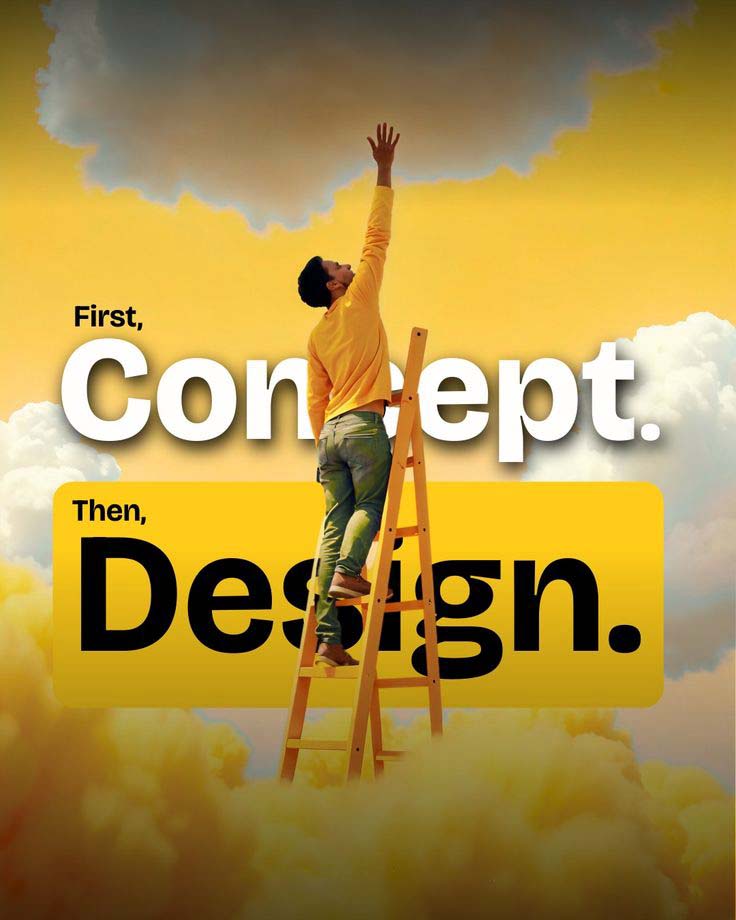
Design is the creative process of planning and creating visual, functional, and meaningful solutions that communicate ideas effectively. It combines creativity, strategy, and technology to produce visually appealing and user-friendly experiences across various mediums, including branding, advertising, websites, social media, products, and digital platforms.
Good design goes beyond aesthetics; it helps convey messages clearly, solve problems, and create emotional connections with audiences. Through elements such as color, typography, layout, imagery, and composition, design enhances brand identity and improves user engagement. Whether it's a logo, marketing campaign, website, packaging, or promotional material, effective design ensures consistency and professionalism while reflecting the brand’s values and objectives.
In today's competitive market, design plays a crucial role in attracting attention, building credibility, and influencing customer decisions. A well-designed brand presence helps businesses stand out, strengthen recognition, and create memorable experiences that drive growth and customer loyalty.

Logo
A logo is a unique visual symbol, mark, or design that represents a brand, business, organization, or product. It serves as the face of a brand and is often the first thing customers notice, making it a crucial element of brand identity. A well-designed logo communicates the essence of a brand, reflects its values, and creates a memorable impression in the minds of customers.
Logos combine elements such as typography, colors, shapes, icons, and symbols to create a distinctive identity that differentiates a brand from its competitors. An effective logo is simple, recognizable, versatile, and timeless, allowing it to work across various platforms, including websites, social media, advertisements, packaging, business cards, and promotional materials.
Beyond visual appeal, a logo helps build trust, enhance brand recognition, and establish professionalism.